
Sustainable water management through decentralised greywater reuse in Asia
Greywater reuse projects are gaining ground in many parts of the world where pollution, scarcity and competition create friction around dwindling freshwater sources. Whether water is captured, cleaned and reused in residential properties, commercial centres or industrial units, the idea is the same: use less freshwater, reduce volumes sent to wastewater treatment plants.
Not only does this decrease costs, it also reduces the amount of water being discharged from plants. It helps to build sustainable and resilient water management solutions in a world where we need to account for every drop used.
While residential systems are growing in popularity, their uptake tends to be driven by individual needs and requirements – a notable exception being the Netherlands – but what if greywater was considered on a regional basis? This was the theme of a recent paper published in the Journal of Environmental Management, which looked at the benefits of widespread greywater recycling across Asia. In this article, we will explore those benefits as set out in the paper and share examples from around the world where greywater reuse systems are already demonstrating their benefits.
Greywater resue: some facts and figures
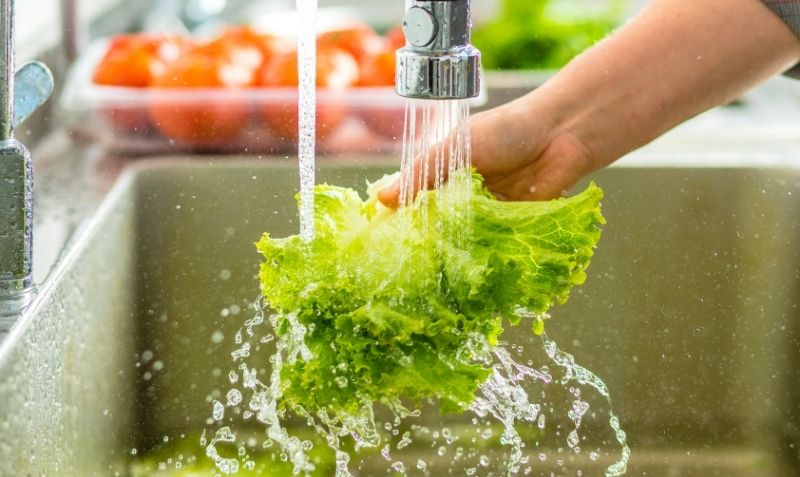
When we talk about greywater, what do we mean? Greywater refers to wastewater from activities such as bathing, showering, handwashing, laundry, dishwashing, and other, often domestic, water usage. However, these do not include anything that might contain harmful pathogens, such as toilet water (blackwater).
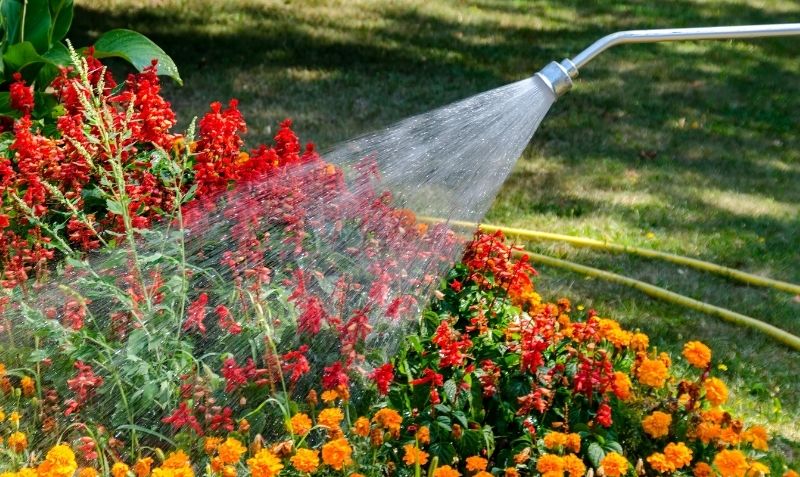
Greywater is ideal for non-potable usage, such as for flushing toilets or for garden irrigation. According to the U.S. Environmental Protection Agency, greywater accounts for as much as 50 per cent of all residential wastewater. This means it can contribute significantly to water conservation efforts. Saving half of all freshwater consumption from every household or office building would have a huge impact on water availability and aquifer recharge.
In Western Australia, a study revealed that the average Perth householder produced around 100 litres of greywater every day, and that 42 per cent of the city’s water supply was used for irrigating lawns and gardens. When usage stats are displayed in black and white like this, you begin to see how valuable greywater recycling and reuse could be, and how much fresh, potable water could be saved every day. If you then extrapolate these figures to include office blocks, commercial hubs, shopping malls, civic buildings, education facilities and applicable industries, then it becomes difficult to understand why greywater recycling and reuse hasn’t become national policy around the world.
The state of water in Asia
According to the Asian Development Bank (AWDO), in the 12 years to the end of 2025, more than 60 per cent of Asia and the Pacific’s population, about 2.7 billion people, was ‘lifted from extreme water insecurity’. However, it warns that these ‘hard-won gains’ are threatened by accelerating environmental decline and a major financing gap.
Long-term water security in the region is threatened by many factors: extreme weather events, rising sea levels and saltwater intrusion, deterioration of ecosystems such as wetlands, rivers and aquifers, rising demand from a growing population, urbanisation and the growing thirst of digital infrastructure.
In Thailand’s Eastern Economic Corridor, 43 data centres have been approved for construction since the start of 2025. The impact on water availability and quality of such expansion is not yet known: a study commissioned by the Office of the National Water Resources, which will feed into policy recommendations and development options based on the potential and constraints of local natural resources (i.e. water), is due to be completed by 2027.
Competition for fresh, clean water looks likely to increase. Demand around the world is growing while reserves are falling. It is in this context that recycling and reuse, including greywater reuse, is becoming not just important, but vital.
Indeed, the AWDO estimates that €3.4 trillion – €215 billion a year – will be needed to meet the region’s water, sanitation, and hygiene (WASH) needs alone. If nothing else, the economic case for greywater reuse becomes compelling.
Greywater and a more resilient Asia
In the paper, Anh Tuan Ta, Ngo Anh Dao Ho and Van-Nghia Tran argue that greywater has high potential for reuse in decentralised treatment systems in Southeast Asia (ASEAN).
According to the authors, greywater accounts for between 50 and 80 per cent of household water in the region, making it an untapped resource for helping to manage resources amid growing water scarcity caused by rapid urbanisation, population growth and climate change.
Decentralised greywater treatment remains ‘limited, fragmented, and uneven across countries’ despite growing interest, the authors argue, while centralised domestic wastewater management remains inadequate in many areas.
Wider adoption of greywater recycling systems is constrained by regulatory gaps, limited monitoring capacity, institutional fragmentation, and public acceptance challenges. Another point to note is that the paper is one of the first to address greywater recycling in the region, which points to the fact that it hasn’t really been given any real impetus by researchers or governments. Indeed, a literature search conducted by the authors only revealed three papers, none of which proved particularly useful for a regional approach to greywater reuse as a resilience strategy.
While the authors suggest technology does not prevent a major obstacle, they do point out that many areas lack adequate domestic wastewater management systems or administrative systems to prioritise greywater recycling and reuse. In this context, sustainable nature-based systems, such as constructed wetlands, may play an important role. Perhaps they could also help boost public awareness and perception.
In a world where water reuse is becoming a necessity rather than a bonus, building nature-based greywater recycling systems that exist in a wider ecological landscape would also take the burden of implementing greywater recycling away from the individual.
What systems are already in place across Asia?
CityUHK has made greywater recycling and reuse a core component of its green campus environmental performance criteria. Greywater is used for irrigation purposes, such as watering plants, and as part of the process being undertaken to replace the staged central chiller plant.
A treatment system filters and disinfects water from wash basins and discharged water from equipment cooling in the university’s laboratories – the system also condensates water from air-handling and fan coil units in offices.
In total, the system turns 70 m3 of grey water into clean water on a daily basis, which equates to the daily water consumption of approximately 500 people. As the university notes, the benefits of using greywater include preserving natural resources and saving money on its annual water bill.
Another university investing in greywater recycling is King Mongkut’s University of Technology Thonburi (KMUTT) in Thailand. It has used greywater recycling across seven buildings since 2010 as part of the university’s green policy.
Greywater is collected from restrooms, laboratories, and washing areas before being treated via filtration and disinfection units. Once cleaned, the water is reused in non-potable applications such as landscape irrigation, toilet flushing, and general cleaning purposes, as well as for construction activities and bike cleaning.
In terms of statistics, the university’s greywater recycling initiatives are impressive: 80 per cent of water was reused across the campuses in 2025 (the 2024 target was 25 per cent). More impressively, this equates to a c.60,000 m³ annual reduction in potable water consumption. Once again, the university states lower utility costs and mitigation of the environmental impact from freshwater extraction and wastewater discharge as benefits.
Greywater projects around the world
Victoria, Australia
Greywater recycling was introduced by the Australian state of Victoria in 2025 as part of its Water Cycle Adaptation Action Plan 2022-2026. The plan identified 21 actions that will aid climate change adaptation across the water cycle system across the state, including rainwater harvesting, research into sustainable sources, such as rainwater and stormwater, tree planting, and more.
The Victorian Advanced Grey Water Recycling System trial is a collaborative project led by Intelligent Water Networks (IWN), the Victorian government, Barwon Water, Greater Western Water, South East Water, and the Netherlands-based company Hydraloop.
In total, seven greywater recycling units were installed in settings across the state to assess the system’s potential for wider deployment. At the time, it was Australia’s first advanced greywater system.
As part of the plan, Barwon Water was installing three units in caravan parks along the Surf Coast and Great Ocean Road, including Australia's first large-sized unit at the Torquay Foreshore Caravan Park.
The trial was designed to assess the technology's viability for at-home use, with Greater Western Water installing Victoria's first in-home system.
A demonstration site is also being used at the Gordon Technical and Further Education (TAFE) Institute in Geelong. This site will feature a greywater recycling unit operating in a purpose-built bathroom and laundry.
At the time, Victoria’s Minister for Water, Gayle Tierney, told local media: “This trial shows Victoria's water sector embracing new ideas and working with our TAFEs to build the technology needed for the future.”
She added: “New ways to reuse the water from our sinks and showers will have positive impacts for all Victorians – every litre of water we can recycle is one less litre of water coming out of our waterways.”
Dutch building regulations prioritise water conservation
A need to save fresh drinking water has accelerated greywater usage in the Netherlands. In 2024, the Dutch government announced its National Plan of Action to Save Drinking Water (NPvA), which introduces methods designed to meet expected drinking water demands in 2030. This includes changing consumer behaviours, valuing water, retention, storage, and recovery.
Where the plan goes further than most national water conservation policies is that it sets a requirement for all construction to be water-conscious by 2035. Vacuum sewerage, the use of domestic water and greywater networks and the large-scale collection and application of rainwater are all identified as promising measures for saving drinking water and reducing consumption.
Although these measures are cheaper and easier to implement in new-build homes, the plan considers the same measures to be conceivable for renovations on existing homes.
According to the plan, when applied during construction, rainwater and greywater systems could provide water savings of 30 to 48 litres per person, per day, per system, at a cost of €4,000 to €7,000 per system.
Hawaii develops pioneering greywater system
Faced with ongoing droughts and limited freshwater reserves, the US state of Hawaii has turned to water conservation to help reduce demand on resources and provide long-term resilience. With residential properties consuming huge amounts of fresh water, it was logical to look at reuse and recycling technologies for housing developments.
Scheduled for completion in 2027, Hawaii’s first on-site residential greywater reuse system will be installed at Kuilei Place, Honolulu: a mixed-use development offering over 1,000 homes. Once in operation, the system is expected to provide a blueprint for future greywater reuse approvals.
Epic Cleantec is providing a four-stage treatment system that comprises:
- Prefiltration - Coarse screening and grit removal, followed by equalisation and primary settling to manage solids loading and flow fluctuations.
- Biological treatment - Membrane bioreactor to achieve BOD (biochemical oxygen demand), COD (chemical oxygen demand) and nutrient reduction.
- Membrane filtration - Ultrafiltration membranes provide removal of bacteria, protozoa and viruses.
- Disinfection - Redundant UV (ultraviolet) disinfection with chlorine injection dosing, reducing output to local sewer systems.
Projections suggest that Kuilei Place’s water reuse system will recycle up to 30,000 gallons of greywater every day. This could save as much as 11 million gallons of potable water each year, leading to annual savings of €136,000 ($161,000).