There is never a dull moment in water; 2025 was proof of that. During the year, politicians got tougher on PFAS, with France and the EU both passing regulations to control their manufacture and use. A growing number of corporations began reporting on their water use and promoting stewardship schemes, as data centre water usage fell increasingly under the media spotlight. Elsewhere, membranes continued to evolve, desalination plants got ever bigger, investors put their faith in water technology, and researchers continued to trial novel solutions to water’s many challenges.
You can catch up with the most-read stories across our online platform in 2025 with our countdown, below:
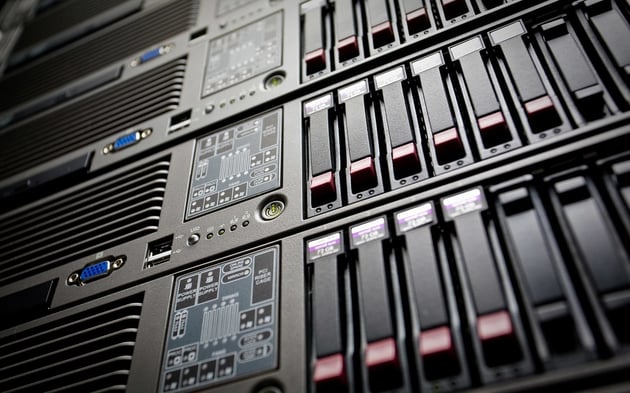
Water use in AI data centres is also a very hot topic. We know data centres have traditionally been huge water guzzlers, with AI set to increase that demand, but there are widely contrasting views as to just how much water is consumed and whether the volumes mentioned are dangerously high or completely acceptable
Three Dutch water companies began collaborating on a project to scale activated carbon water purification technology on a global scale.
NieuWater, Nijhuis Saur Industries (NSI), and Jotem signed a licensing agreement that will see Jotem providing small-scale installations and NSI large-scale installations of the BODAC technology that has been successfully running at NieuWater's wastewater treatment plant in Emmen for 15 years.
Dutch-based non-profit World Waternet worked with UNICEF on the construction of a compact treatment plant that is providing thousands of people in rural Lao People's Democratic Republic (Lao PDR) with safe drinking water.
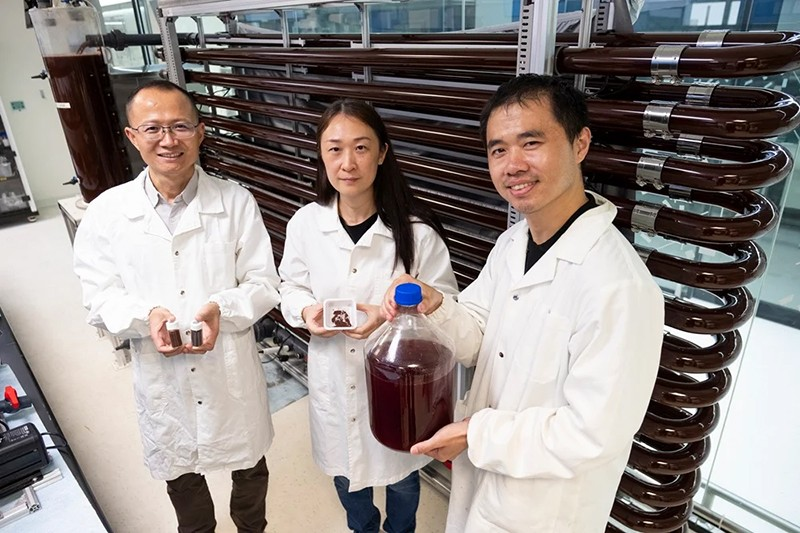
A novel technology that uses solar power to convert sewage sludge into both green hydrogen and animal feed was demonstrated by scientists at Nanyang Technological University in Singapore (NTU Singapore).
A proprietary UV-photochemical process developed by US-based Claros Technologies successfully achieved a 99.99 per cent destruction rate of targeted per- and polyfluoroalkyl substances (PFAS) substances in industrial wastewater streams using a proprietary UV system at a pilot site in Alabama.
Distributing water evenly across an array of membranes will lead to increased efficiency, OPEX and CAPEX savings and a reduced footprint, according to the companies behind the MegaVessel, a reverse osmosis (RO) technology for water treatment.
It would almost be impossible not to have heard of PFAS. From being relatively unknown in the wider world to becoming a topic of everyday conversation, from supermarkets to business conferences, and from gyms to cabinet meetings. These days, everyone has heard of PFAS.
And the world of water made some big advances during 2025 in terms of monitoring, capturing, and, as this article explores, in destruction technology.

REDStack, a Dutch membrane scale-up, secured significant investment as reported in February. The company announced that it would use the funding to accelerate the commercialisation of its ElectroMembrane Stack technology. Plans included the creation of a fully automated production line at its base in Heerenveen, which would enable the company to increase output from one stack a week to 10
AI has been creating all sorts of headlines in 2025, from hyperscaling data centres to a bursting of the bubble. One thing is for sure: the worlds of AI and water are intrinsically linked, whether that is solving the world’s water challenges or solving how to manage AI’s water use.
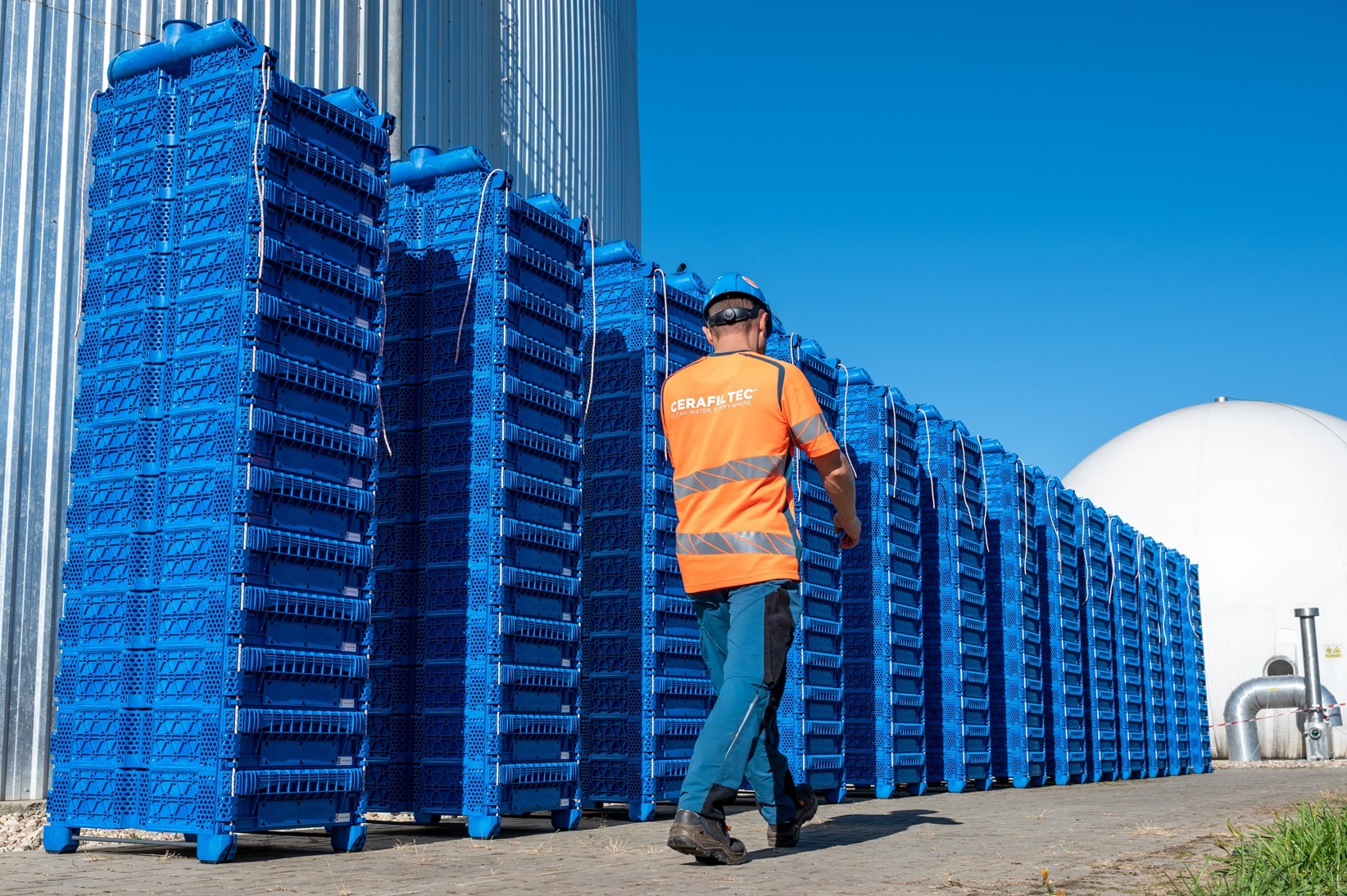
In March, it was announced that a supercomputing data centre located in Memphis, USA, would use treated municipal wastewater from its own plant to cool its servers. But not just any plant (this is Elon Musk’s xAI project, after all); the world’s largest ceramic membrane bioreactor (MBR) using membranes supplied by CERAFILTEC.
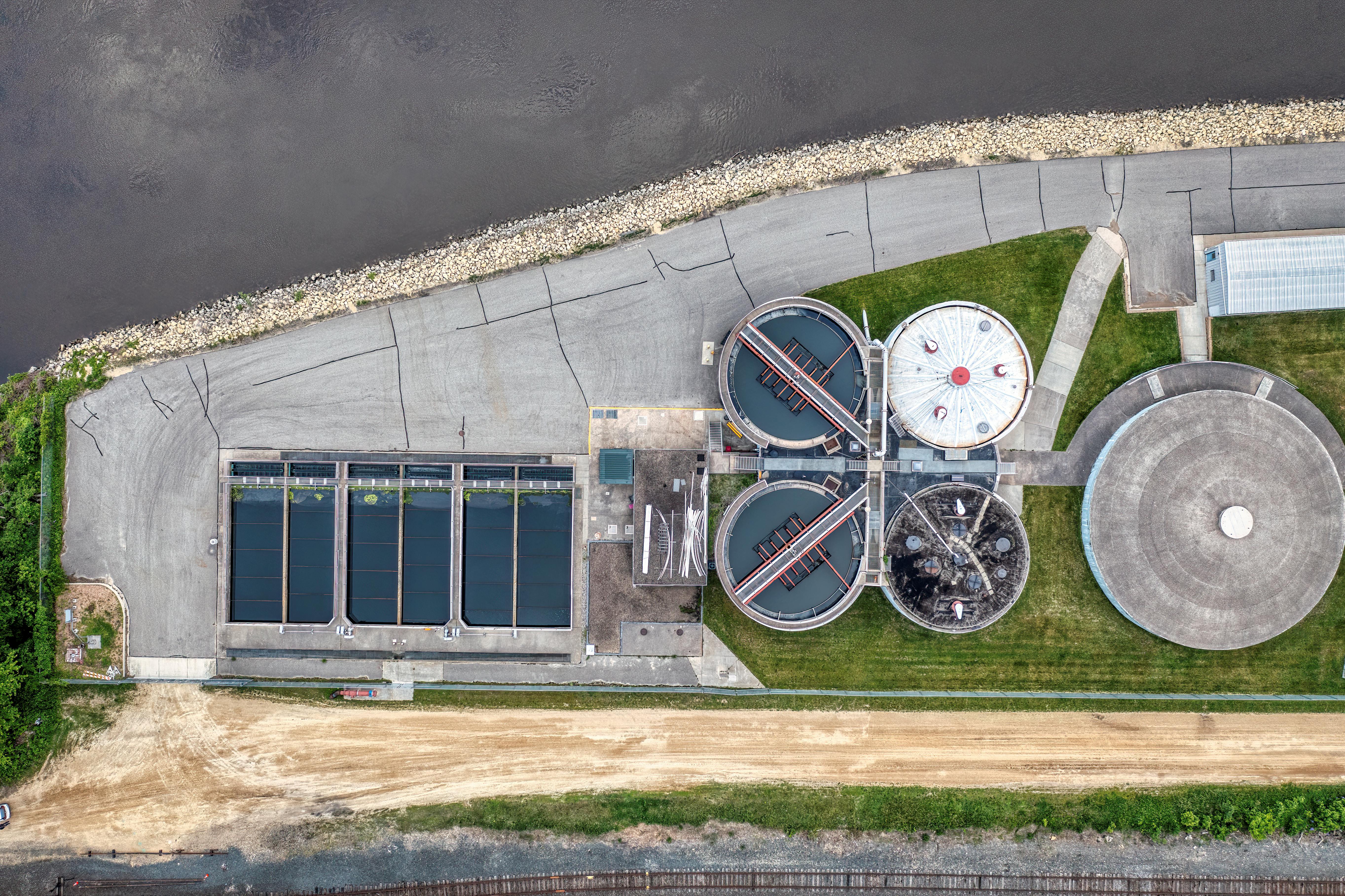
With France becoming the second European nation to ban PFAS use in the majority of products, following Denmark’s lead, efforts are being stepped up to remediate contaminated water sources.
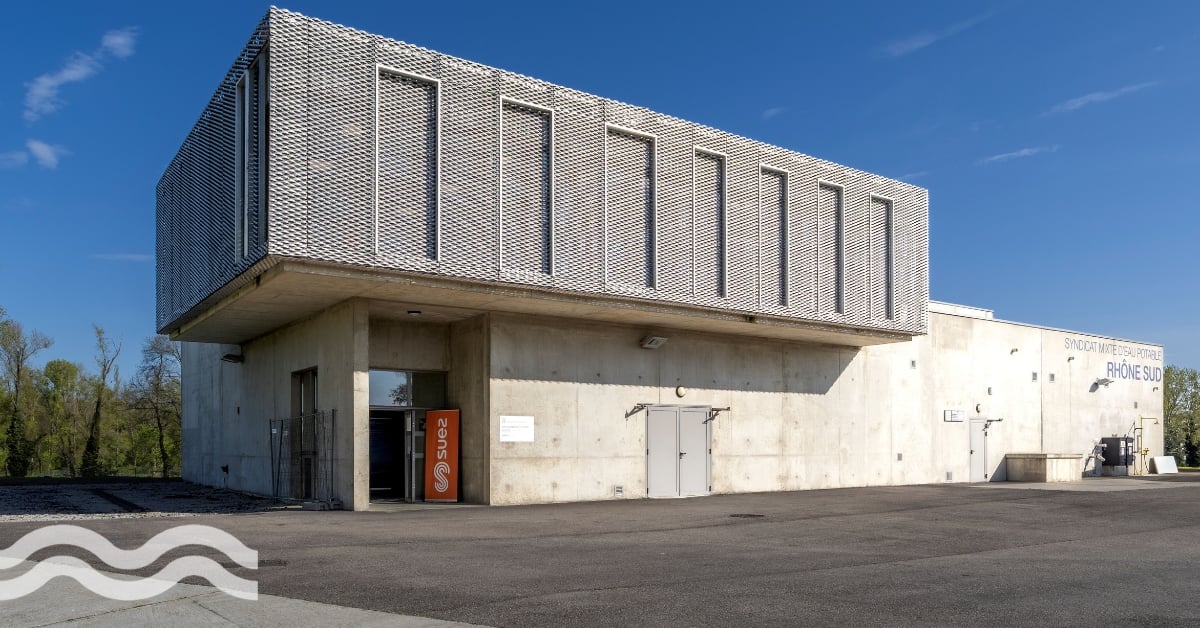
Of particular note is an initiative in France’s ‘chemical valley’, where high levels of PFAS were first recorded in 2021. Local water authority, Syndicat Mixte d'Eau Potable Rhône-Sud, has brought in Suez to help remove the pollutants from the water supply of 170,000 people using patented technology at the Ternay Water Plant in Lyon.

Back to France, and back to PFAS… Towards the start of the year, the French National Assembly passed a law that bans the use of PFAS in many products from 2026. The law also puts the cost of cleaning and destroying PFAS on the polluter rather than water utilities.
Under the law, a ban on the manufacture, import, export, and marketing of cosmetics, footwear, consumer textiles, and ski wax containing PFAS will become effective from January 1, 2026. The next stage will happen in 2030 when all textiles containing the substances, except for protective clothing, will be banned.
In the Autumn, Europe moved closer to a full ban on polyvinylidene fluoride (PVDF) membranes following an update to the European Chemical Agency’s (ECHA) dossier exploring the potential for banning the manufacture of all PFAS substances.
Some see the potential ban as an opportunity to explore new materials and technologies. Others view a ban on PVDF as unlikely due to its widespread use in the water treatment industry.
2025’s most-read story mirrors last year’s top story, which focused on Europe’s impending regulation of PVDF membranes (these things take time) and what that might mean for the future membrane market.







.jpg?h=628&iar=0&w=1200)