Viewpoint: Water stewardship standards
It seems crazy that policymakers and financial institutions are still ‘waking up’ to water. The UN’s Sustainable Development Goal 6 (SDG 6) calls on governments to ensure the availability and sustainable management of water and sanitation for all by 2030, yet there is still a considerable amount of work to do before that target is even remotely achievable.
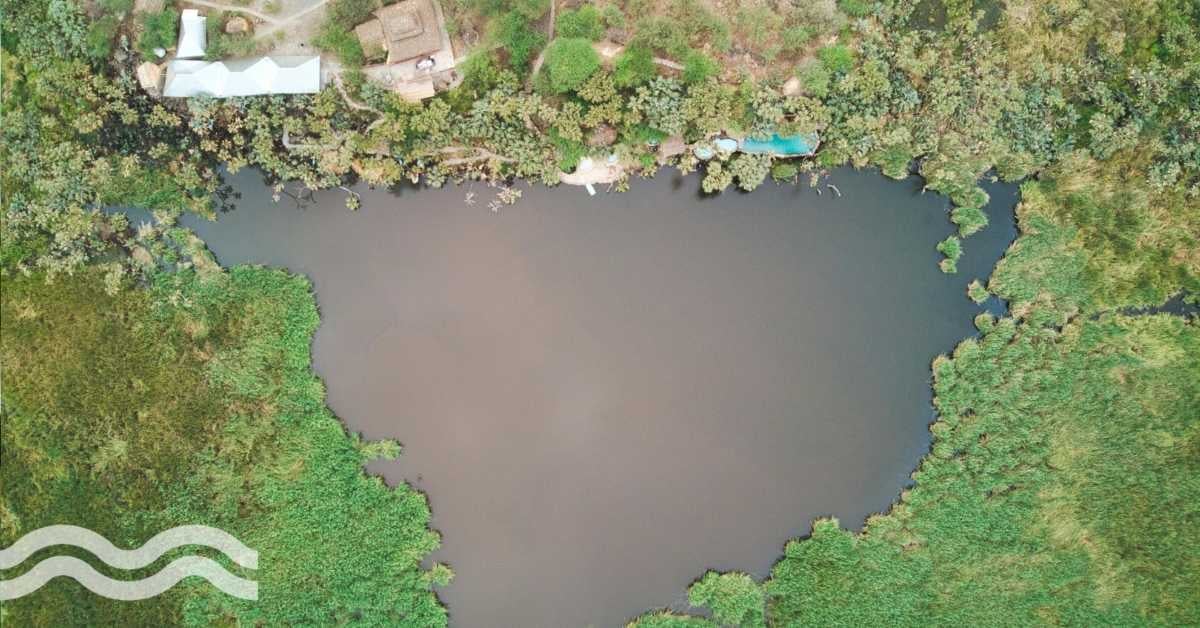
SDG6.6 specifically stated: By 2020, protect and restore water-related ecosystems, including mountains, forests, wetlands, rivers, aquifers and lakes. Clearly, there is some way to go before this becomes a global achievement.
According to a WWF report, The High Cost of Cheap Water (2023), the annual economic value of water and freshwater ecosystems in Europe is estimated to be over €11 trillion – about 2.5 times the Gross Domestic Product (GDP) of Germany. However, the report also cautions that the continent has ‘lost up to 90 per cent of its floodplains in recent centuries, and 60% of its rivers, lakes and other surface water bodies are not in good condition'.
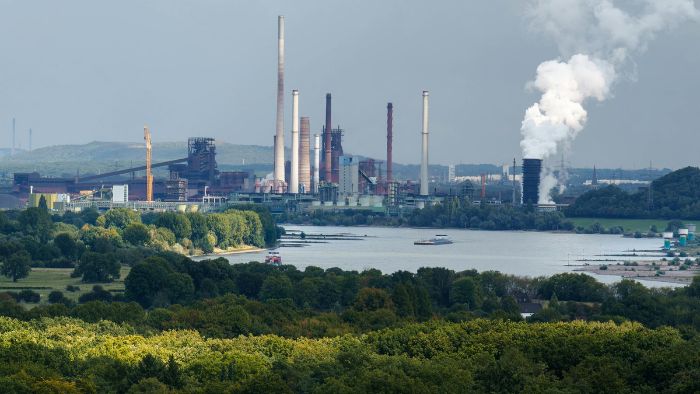
Aggravating factors include climate change leading to extreme weather events, poor land management and pollution.

Economic benefits of meeting the SDG6.6 targets
Meeting the targets set by SDG6.6 makes sense both ecologically, environmentally and economically. The economic case for water is beginning to affect business decision-making, with many of the global technology companies including water use reporting in their sustainability statements. Some even include supply chains in their reporting.
These companies have realised that beyond simple usage statistics, their water impact extends to local communities, freshwater ecosystems, and on an even larger scale, to river basins. To mitigate their impact, companies like Amazon Web Services, Google, Microsoft, etc, are working on water stewardship programmes to help restore watersheds and, perhaps, eventually have a positive water impact on the environments in which they operate.
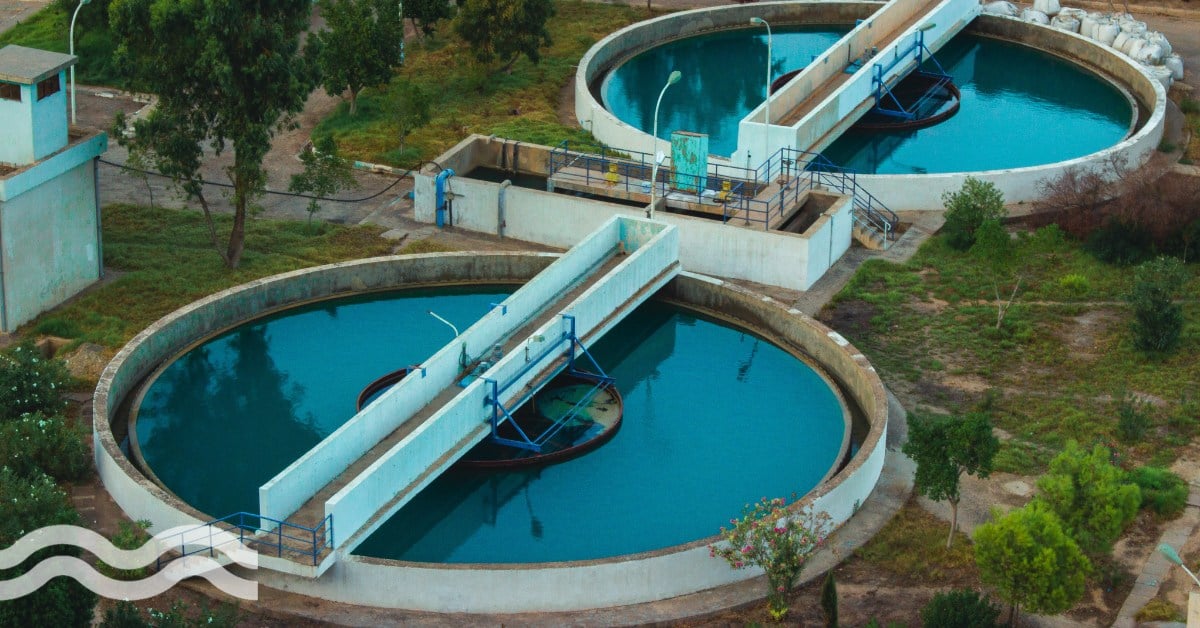
This is not new knowledge. Back in 2012, the US Environmental Protection Agency (EPA) published a fact sheet outlining the economic benefits of protecting and improving watersheds, concluding that watershed protection was less expensive than replacing and restoring grey infrastructure such as wastewater treatment plants.
Water stewardship: a recap
Water stewardship programmes are designed to ‘ensure our world continues to have access to this invaluable resource’, through collective responses to complex challenges.
One of the leading programmes is run by the Alliance for Water Stewardship (AWS). It’s Standard, helps major water users understand their water use and impact. It defines water stewardship as: the use of water that is socially and culturally equitable, environmentally sustainable and economically beneficial, achieved through a stakeholder-inclusive process that involves site- and catchment-based actions.
AWS has recently updated its Standard from version 2.0 to 3.0. In this Viewpoint article, Alicia Dauth, water assurance technical lead at Water Security Collective, shares her thoughts on the recent changes and why stewardship is so important for companies looking to mitigate operational risks while enhancing the ecosystems in which they operate.
How will the recent changes to the AWS Standard 3.0 impact stewardship projects?
“The most noticeable change was the much-anticipated recognition of desalination and water reuse within the standard. This is particularly relevant for regions that rely on desalination for potable water, such as the Middle East. Desalination and water reuse are also becoming global trends in response to climate change and water security. This is a big step in addressing the various types of water supplies now available and how we should understand them in their entirety for water stewardship to occur.
It’s also worth noting the shift in terminology from ‘indicators’ to ‘requirements’, which further reinforces clarity and accountability for the site and auditor, which was a great update for organisations to better correlate the Standard’s expectations.
Expectations are easier to understand and apply, making implementation more straightforward for sites seeking certification
The Standard also had a great reduction in length, from 58 pages to 17 pages. Detailed guidance is no longer embedded in the standard itself, but is instead likely to be provided in separate supporting documents.
This shorter version suggests a clear effort to simplify the standard by removing repetition, refining requirements, and improving clarity. As a result, expectations are easier to understand and apply, making implementation more straightforward for sites seeking certification. The improvements also benefit audit teams. In the past, differing interpretations of requirements often led to disagreements between sites and auditors. The clearer structure in Version 3.0 should help reduce this ambiguity.
Another key and beneficial change is the removal of the points-based system for Gold and Platinum levels. Instead, sites must now meet specific additional requirements to achieve these levels. This will remove ambiguity and encourage full compliance rather than partial compliance, which was sometimes confusing during the close-out of findings.
The updated standard also better aligns with broader sustainability agendas, making it more relevant and supportive for environmental and sustainability reporting.
In summary, the most notable updates in the standard V3.0 include:
- Desalination and water reuse inclusion
- Change in terminology of indicators to requirements for easier understanding for site implementation
- Length of standard - keeping the document concise (avoid repetition).”
Why is education important when it comes to water stewardship?
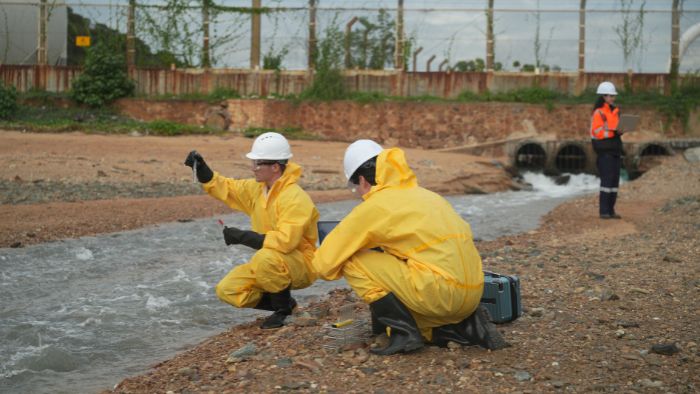
“Water stewardship doesn’t have to be complicated. It can begin as a simple Corporate Social Responsibility (CSR) initiative and gradually evolve into a more impactful and measurable program. This is a strong starting point – helping raise awareness about water conservation and building a deeper understanding of the true value of water.
Capacity building also plays a key role in creating ‘water champions’, opening more opportunities for stewardship practices to spread through communities and drive positive change.
Water stewardship doesn’t have to be complicated
Educational tools and knowledge sharing should be made more accessible to enable self-learning, and certified water stewardship sites should help provide and host these resources. This starts by connecting water to everyday life, including businesses. Water is for everyone, which means everyone should be involved in its conservation.
Certified sites have a responsibility to clearly educate both their employees and local communities on beneficial good practices. Communication is also imperative to ensure a consistent and accurate set of information is shared for the common good.”
How does Water Positivity fit into the stewardship framework?
“The direct inclusion of biodiversity within V3.0 has invited the focus on the identification and assessment of freshwater ecosystems and actions to conserve or restore them.
Also, the addition of desalination and reuse has recognised and encouraged water reuse, where appropriate. Having these within V3.0 encourages a mindset for global frameworks and alignment with wider sustainability agendas and priorities. Water positive projects can be considered part of water stewardship because they should enable water restoration and conservation.”
In your opinion, what does the future hold for water stewardship? Is the future bright?
“Water stewardship is about a site taking better, more responsible management of its water use, while also considering how that use affects the surrounding communities and the environment. It encourages a site to look at water holistically, across the entire catchment of its operations, so that decisions can be made that benefit both the business and the shared water resources in the long term.
Water stewardship, in my opinion, is the most sensible way to reduce a company's risk while taking positive actions to enhance the environment to benefit ecosystems.”