The news that the Brazilian city of São Paulo was suffering from a water crisis is perhaps unsurprising. Many cities around the world are facing the challenge of securing enough usable water for their residents, businesses and industries. These challenges are now well known.
Increased demand from growing populations, thirsty businesses and agriculture, with unpredictable weather patterns and rainfall events, and overextraction of rivers, lakes and aquifers, all put stress on water security. When you also consider pollution and the costs involved in cleaning water (think of the race for PFAS destruction solutions), you start to see the problems that cities face.
When we think of cities that would traditionally face water scarcity, our minds automatically think of sandy places and dry counties. And this would be a fairly safe assumption. Increasingly, however, drought is affecting parts of the world where water security has never been a concern. Think of Ireland, parts of the UK, and France, for example.
A 2025 report from Water Aid highlighted the scale of the problem. Water and Climate: Rising Risks for Urban Populations studied the world’s 100 most populous cities – across North and South America, Africa, Europe and Asia – for changing flood and drought patterns.
Major findings included:
Water Aid’s report also reveals that Madrid and Paris are experiencing significant drying trends. This correlates with data from satellite imagery that reveals groundwater reserves across Europe are diminishing, and the south and southeast parts of the continent are becoming drier. As well as getting drier and experiencing long-term drought, Spain has also experienced unprecedented flooding events recently, which have caused significant loss of life and structural damage.

It seems everywhere, cities are coming under increasing pressure to find alternative water sources, to reduce pressure on existing and dwindling supplies. Many are battling with population growth and ageing infrastructure.
Famously, Cape Town in South Africa, came close to effectively running out of water in 2018 – a Day Zero event – following three consecutive seasons of drought. City authorities initiated a plan to severely reduce water consumption among residents, as well as repairing leaking pipes, water reuse and building temporary desalination plants.
Thankfully, disaster was avoided, with the city's population of four million playing a significant role.
Another city to have faced Day Zero is Mexico’s capital. Prolonged periods of drought, population growth, a sinking land mass, depleted aquifers, shrinking reservoirs, and deficient infrastructure caused a perfect storm in 2024. Predictions of when Day Zero would arrive ranged from weeks to a few years. However, it seems, for now, the worse-case scenario has been averted through changing consumption habits, infrastructure improvements, and relief from drought conditions.
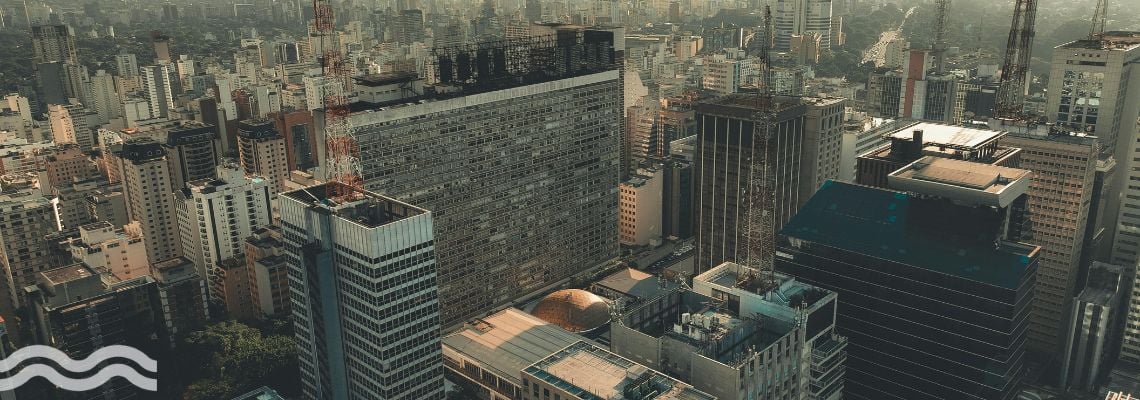
São Paulo, a city of 22 million people, which is heavily reliant on reservoirs for its water supply, has experienced three consecutive years of below-average rainfall. A similar period of drought in 2014 saw the city’s reservoir levels fall as low as 5 per cent of their total.
A study that appeared in Nature Communications (September 2025), The first emergence of unprecedented global water scarcity in the Anthropocene, suggests that:
Notably, the report suggests that by the end of the century, regions across the Mediterranean, southern Africa, parts of North America, India, northern China, and southern Australia are projected to face persistent compound water stress.
More pressingly, what it calls Day Zero Drought conditions are likely to begin by the end of the 2020s, last for longer than current droughts, and have shorter recovery times between each event.
In its report, Water Aid called for urgent action. Sol Oyuela, WaterAid’s executive director, Global Policy and Campaigns, asserted:
“Now is the time for urgent collective action from global leaders, multilateral banks and the private sector to unlock investment so that communities can recover from disasters, stay healthy, and be ready for whatever the future holds. This will make the world a safer place for all. It all starts with clean water.”
The charity made several calls to action:
According to the study in Nature Communications, more than 750 million people will be adversely affected by water scarcity and security issues by the end of the 2020s – almost one in 11 people alive today.
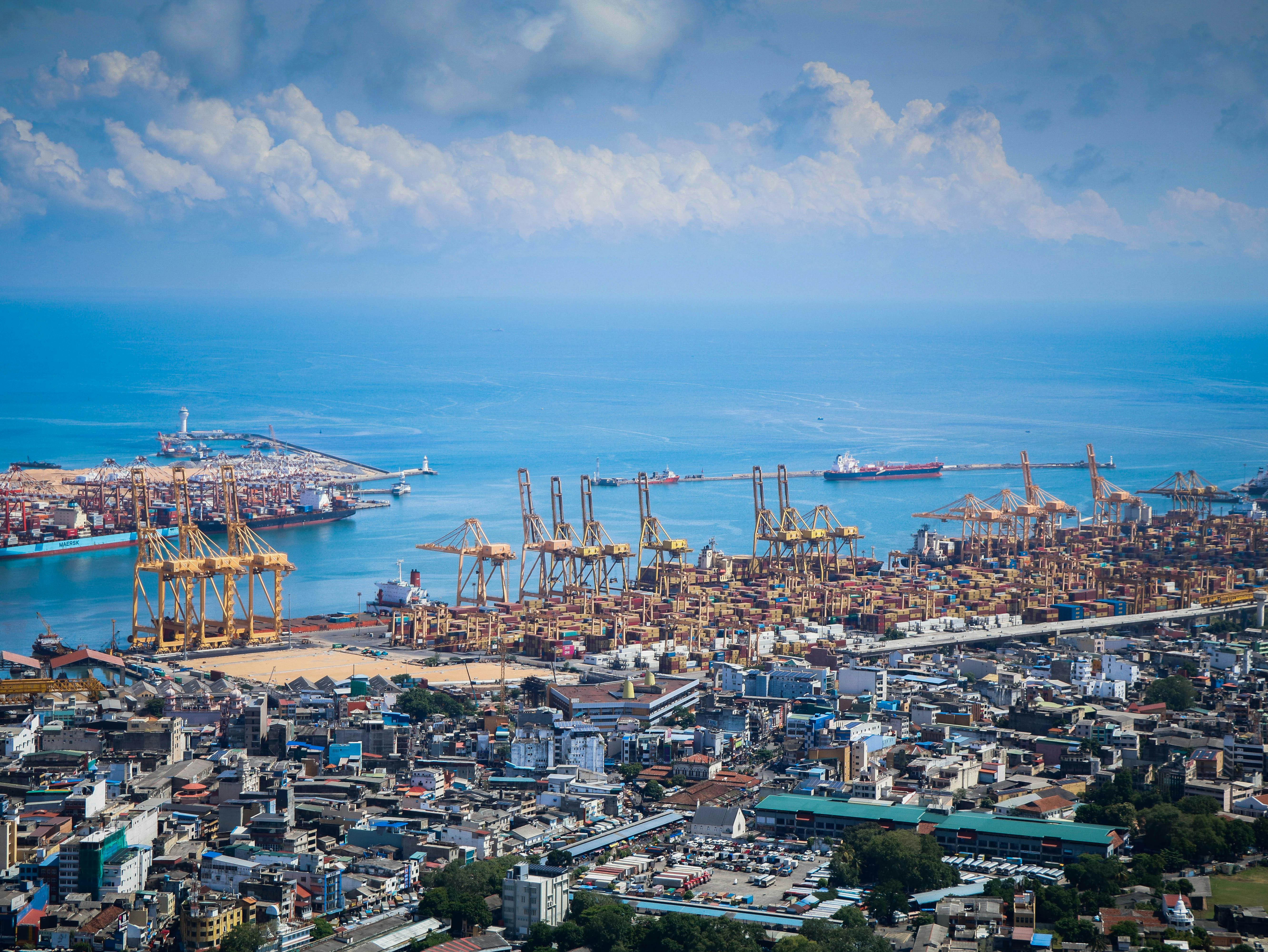
Cities that have already stared Day Zero in the face have mainly focused on reducing daily consumption, repairing and replacing ageing infrastructure, increasing reuse, and finding alternative sources of usable water (for example, desalination).
These approaches can all have an impact, but they require all of the relevant stakeholders to work together to plan and improve water management strategies. Technological innovation will also play a part, for example, in managing and moving water, in detecting and fixing leaks, in predicting rainfall patterns and modelling demand, and in providing faster and cheaper desalination and wastewater treatment.
Wherever you are in the world, water management strategies are only going to become more important as we close out the decade.