Water quality monitoring: EU, airlines, and PFAS in spotlight
If much of the inner workings of the water industry, its technologies, processes, investments, etc, go largely unnoticed by the wider public, two aspects always remain in the spotlight: quality and quantity. These two output metrics and how they affect people’s daily lives will always make headlines in newspapers and fill social media platforms.
And while scarcity and replenishment dominated discussions in 2025, and will continue to do so given the uncertainty much of the world faces in terms of supply and demand, water quality monitoring will remain an integral part of any regulation and every treatment process.
Here, we look at three water quality monitoring stories covering PFAS, testing innovations and the need for travel solutions.

EU-wide PFAS drinking water monitoring
From 12 January, all member states of the European Union (EU) must monitor drinking water for per- and polyfluoroalkyl substances (PFAS) levels to ensure compliance with limits set in the recast Drinking Water Directive.
This marks the first time member states have been obligated to monitor for PFAS. The directive also requires member states to inform the EU of the results of the ongoing monitoring, including where limits have been exceeded and any pollution incidents, although the amount of data that needs to be reported has been reduced from the previous version of the directive.
Should the limits be exceeded, member states have a duty to carry out remediation and to inform the public. Typical remediation might include:
- Closing contaminated wells
- Adding extra treatment steps to remove PFAS
- Restricting public use of drinking water – a key objective of the Water Resilience Strategy is the right for citizens to have safe drinking water.
Appropriate methods of testing for PFAS in drinking water
Member states are not being left to figure out testing procedures all by themselves. The EU produced guidelines in 2024 that covered analytical techniques for determining two different methods of calculating PFAS levels in drinking water.
Announcing the measures, Jessika Roswall, EU commissioner for Environment, Water Resilience and Competitive Circular Economy, said: “PFAS pollution is a growing concern for drinking water across Europe. With harmonised limits and mandatory monitoring now in force, Member States have the rules and tools to swiftly detect and address PFAS to protect public health.”
EU strengthens monitoring as reference labs open
One of the benefits of monitoring water quality is the detection of diseases. This can help predict the spread of illness. Dutch microbiologist Professor Gertjan Medema was awarded the prestigious Lee Kuan Yew Water Prize 2024 for his work on virus detection in wastewater during the COVID-19 pandemic. His detection alerted authorities to outbreaks faster than clinical testing was able to do.
At the beginning of 2026, three new European reference laboratories became operational, which will significantly improve the continent’s response to water-borne and food-related health threats by making testing more reliable and consistent. This will improve the quality of data produced from testing and accelerate the EU’s preparedness to respond to cross-border threats. The labs are scheduled to be operational for seven years, and add to the six labs that became operational in 2025 (a further lab is scheduled to become operational in 2027) and will detect:
- Food- and waterborne bacteria
- Food- water- and vector-borne helminths and protozoa
- Food- and waterborne viruses.
Data from the labs will provide reliable, comparable and consistent data for all EU countries, helping to monitor water quality across all member states.
Monitoring using satellites and AI
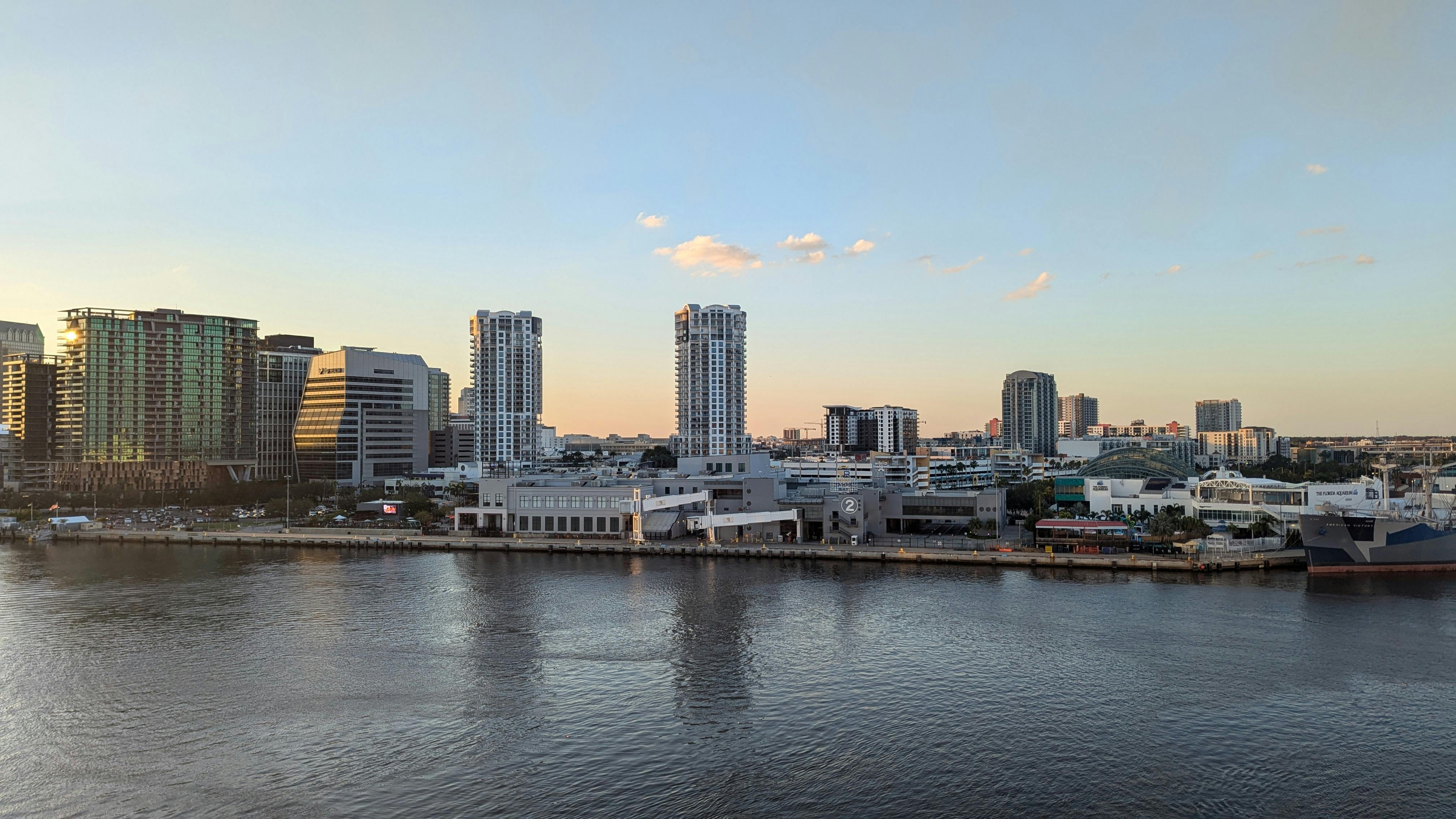
A pilot led by SkyTL and ACCIONA in Tampa, USA, is using the latest digital techniques to monitor water quality and detect threats before they impact drinking water operations. With the support of Tampa Bay Water, the pilot will combine satellite imagery, fixed cameras, drones and machine learning to warn operators of potential salinity, turbidity and red tide events. Warning of potential issues can occur as much as two hours in advance, with an estimated 80 per cent accuracy, helping to transform utilities from reactive to predictive responders.
Data is provided by satellites, fixed cameras and drones, which is then fed into SkyTL’s machine learning platform.
A pilot of the monitoring and early warning system is located at the Tampa Bay Seawater Desalination Plant, which is a key drinking water resource in the area. SkyTL is also using the pilot to test indicators for chlorophyll-a, CDOM, SPM, phycocyanin, total alkalinity (TA) and pCO₂.
Potential for onboard disinfection
An area for potential exploration is the in-flight disinfection of water stored on aircraft. Currently, in the US, the tanks that store water onboard aircraft must be flushed and disinfected at a frequency determined by the aircraft water system manufacturer, when available.
Sampling of water for certain bacteria, such as coliform and e.Coli, is carried out on a frequency based on the above schedule.
Why does this matter? Well, aircraft take water on at various points in their itinerary, from a variety of sources, using a wide array of methods. At every stage, there is the potential for contamination. A recent Airline Water Study released today by the Center for Food as Medicine and Longevity has revealed that the quality of drinking water varies significantly by airline, and many airlines continue to provide passengers with potentially unhealthy water. This is a direct violation of the US government’s Aircraft Drinking Water Rule (ADWR), which came into effect in 2011.
According to the report, with the exception of GoJet Airlines, all of the regional airlines studied need to improve their onboard water safety. Of the major airlines, Delta Air Lines and Frontier Airlines had the best test scores, while American Airlines was rated the worst. Prosecutions are rare.
If water quality is a problem, does this present an opportunity for water tech entrepreneurs to develop onboard disinfection systems for aircraft?

.jpg?h=628&iar=0&w=1200)