We look back at a year of reports, policy changes, recommendations, and regulations with our month-by-month recap of articles that have appeared across the Aquatech Online platform. From Mexico water levels to EU sustainability reporting, and from PFAS regulation to water stewardship for global tech giants.
JANUARY
Navigating the European Sustainability Reporting Standards – what does it mean for water companies?
The European Commission (EC) recently unveiled the European Sustainability Reporting Standards (ESRS), a comprehensive framework designed to guide companies in meeting the requirements of the Corporate Sustainability Reporting Directive (CSRD). In this article, we delve into the key features of the ESRS framework and examine its implications for water companies operating in Europe.
FEBRUARY
Q&A: Europe's new rules on wastewater reuse
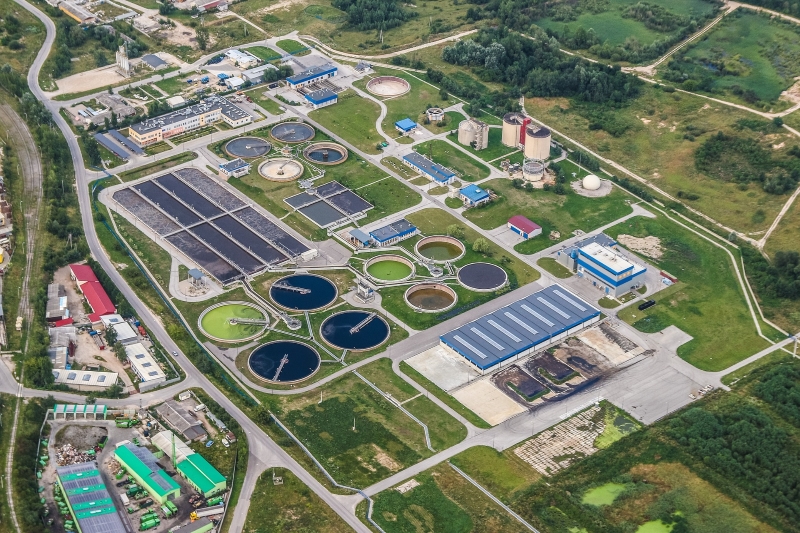
In February, we looked at new European rules that were being designed to help promote wider reuse of treated urban wastewater to prevent water scarcity. We used a Q&A formula to dive deeper into what the regulations could mean.
MARCH
English water companies' storm overflow plan: analysis & commentary
English water companies published a plan to remove 150,000 annual sewage spills by 2030. The companies put forward a £10.2 billion proposal to fund close to 9,000 planned improvements that would mean all 14,187 overflows in England meeting or exceeding every target set by the government. However, the sector responded with a cautious welcome. We asked them why.
APRIL
New water stewardship standards: sharpening the mind or creating fatigue?
In April, we reported on two new sets of water stewardship standards that were in the pipeline, one of which has now been published. However, with existing standards at the time also in the process of being reviewed, we explored whether we are in danger of over-complicating matters, or is the water industry really in need of greater focus?
MAY
Apple puts water replenishment at heart of global strategy
'Think different, but not too differently', this was Forbes' reaction to the decision by global tech superpower Apple to re-use its iconic 1997 slogan (Think different) in 2021. The same might be said for Apple's updated water strategy. Ok, so it's not strictly a report, regulation or policy, but Apple was one of a number of global tech giants to start making real noises about its water policy during 2024 and the hope is that a big name like Apple talking about water as part of its carbon-neutral environmental strategy will provide inspiration to others.
Later, in July, Google launched its Environmental Report 2024, which recognised the need for improved water stewardship practices across its data centres, offices and supply chain. The report revealed that the growth of AI had led to a 17 per cent increase in its water footprint in 2023 compared to the previous year, driven largely by cooling demands of its data centres. We assessed the company's water usage and plans to reduce and reuse.
America's big PFAS clean up: polluters must pay

In the USA, the administration of President Biden and Kamala Harris finalised the country's first National Drinking Water Standard designed specifically to protect people from exposure to per-and polyfluoroalkyl substances (PFAS), while the EPA pledged to make polluters pay for cleaning up water supplies.
JUNE
Water footprint and reuse linked to financial agreements
Globally, governments are introducing increasingly high regulatory requirements for companies regards their water use and environmental impact. Many businesses have also introduced their own internal water usage frameworks. It was little surprise that financial institutions, like Spanish bank BBVA, began taking water footprint into account when assessing companies for credits and loans.
JULY
Water resilience added to EU Strategic Agenda
In July, EU leaders agreed to adopt its Strategic Agenda 2024-2029, which included a goal to strengthen water resilience across the union. Some industry experts believed water resilience was tagged on as an afterthought.
AUGUST
US Elections: what the water industry can expect
Bluefield Research released a report examining what the outcome of the US presidential elections would mean for the country's water industry. In the report, Reese Tisdale, president and CEO, Bluefield Research, said that the water industry was at a crucial juncture, and that whoever won November's election faced many challenges from ageing infrastructure to climate-related risks. We now know that person to face those challenges will be president-elect Donald Trump.
Mexico: Water quality and dams on the rise in Mexico
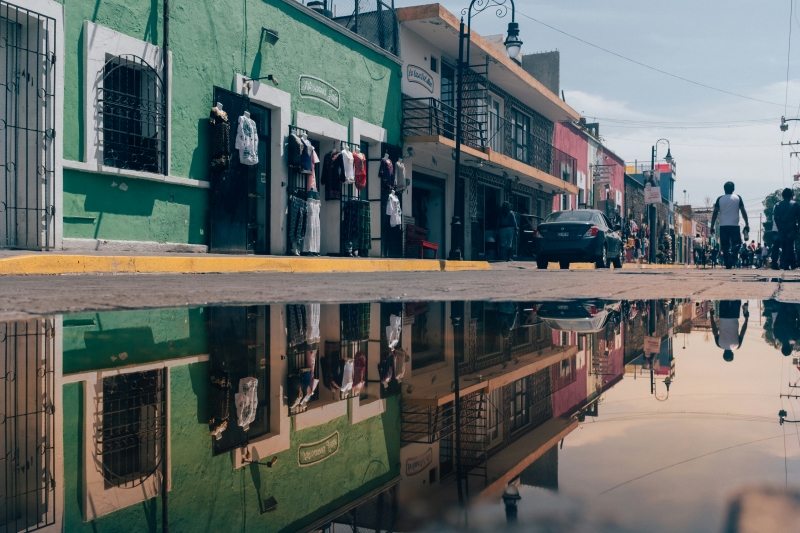
Also in August, Mexico's national water commission (Conagua) has released the country's water quality data for 2023, which revealed that while 55 per cent of groundwater sites were compliant with regulations, only 27 per cent of monitored surface water sites were found to be compliant. We looked into the date in more detail.
Europe dominates water-tech patent filings
A study released by The European Patent Office (EPO) revealed that water treatment dominated patent filings in the sector, in the period covered (1992-2001), with Europe established at the powerhouse for international patent families. We looked at the reasons behind the numbers.
SEPTEMBER
SDG6 mid-term report reveals some targets relapsing
In September, the UN reported on progress being made against key indicators for its Water and Sanitation targets. Unfortunately, the report made clear that progress was not being made fast enough against three goals to meet internationally agreed 2030 targets and are in some cases relapsing.
OCTOBER
Europe strengthens PFAS action and prioritises resilience
The European Commission moved to strengthen water resilience with the appointment of a new commissioner, restrictions on more 'forever chemicals' and the registration of a new citizen initiative. Jessika Roswall, the new commissioner for Environment, Water Resilience and a Competitive Circular Economy will develop a more circular and more competitive economy, leading the work on water resilience.
EurEau annual report: water should remain EU priority
EurEau, the European federation of national associations of water services issued its annual report, covering the year 2023, and set out its priorities for a future where securing water sources is vital. While the year had begun 'with a feeling of positivity', it had some progress and some setbacks.
Innovators call for greater digital role in EU resilience strategy
A joint statement from thirteen water companies called for the European Water Resilience Strategy to adopt digitalisation and data-centric solutions across the entire water value chain as a priority. This was 'critical' to enhancing the link between green and digital transitions.
NOVEMBER
Key recommendations for saving the hydrological cycle
In November, the Global Commission on the Economics of Water published its Valuing the Hydrological Cycle as Global Common Good with nine key recommendations for undertaking a 'sea change' in how 'we understand and act on water'. The report made clear that efforts to tackle climate change will fail if we do not do more to protect the hydrological cycle.